
Keep Yourself Safe This Winter With These Driving Tips
Bruce Yarnall, Barnesville Area News
Following a short Christmas week respite, Mother Nature reminds us this week that it is winter with the the cold months of January and February ahead.
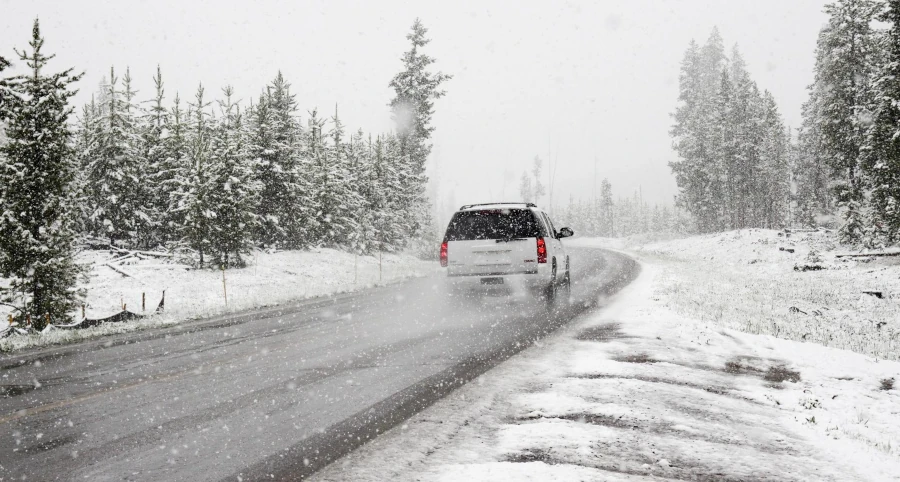
Yesterday’s rapid drop in temperatures and subsequent snowfall brought on icy road conditions throughout the region.
At midnight, the Fairview VFD reported in a Facebook post “I-70 Eastbound is closed at the 199 mile marker due to multiple crashes, roads are treacherous use extreme caution if traveling”.
An hour later, the department reported “I-70 Eastbound is open continue to use extreme caution if you’re traveling this evening.”
If you have not already done so, it’s time to check on your car and make sure you’re prepared for winter weather.
Winter storms, bad weather and rough road conditions are a factor in nearly half a million car crashes and more than 2,000 road deaths every winter, according to research by the American Automobile Association Foundation for Traffic Safety.
Practicing caution is a key for safety, AAA adds. The agency shares some tips on how to stay safe in the winter weather.
When driving in cold weather, AAA advises to keep a bundle of cold-weather gear in your car, such as extra food, water, warm clothing, a flashlight, an ice scraper, blankets, and medications. Make certain your tires are properly inflated and have plenty of tread. Keep at least half a tank of fuel in your vehicle at all times, and never warm up a vehicle in an enclosed area, such as a garage. Do not use cruise control when driving on any slippery surface.
AAA recommends staying inside if snow hits the area, only leaving if necessary. However, if drivers need to go out on the roads, AAA shares tips on how to stay safe.
- Drive slowly. Always adjust your speed down to account for lower traction when driving on snow or ice.
- Accelerate and decelerate slowly. Apply the gas slowly to regain traction and avoid skids. Don’t try to get moving in a hurry and take time to slow down for a stoplight. Remember: It takes longer to slow down on icy roads.
- Increase your following distance to five or six seconds. This increased margin of safety will provide the longer distance needed if you have to stop.
- Know your brakes. Whether you have antilock brakes or not, keep the heel of your foot on the floor and use the ball of your foot to apply firm, steady pressure on the brake pedal.
- Don’t stop if you can avoid it. There’s a big difference in the amount of inertia it takes to start moving from a full stop versus how much it takes to get moving while still rolling. If you can slow down enough to keep rolling until a traffic light changes, do it.
- Don’t power up hills. Applying extra gas on snow-covered roads will just make your wheels spin. Try to get a little inertia going before you reach the hill and let that inertia carry you to the top. As you reach the crest of the hill, reduce your speed and proceed downhill slowly.
The agency recommends having your vehicle inspected by an approved auto repair facility, checking the weather app, staying connected to your family and friends, slowing down and staying clear of first responders and roadside workers.
In case of an emergency, AAA suggests drivers follow guidance from local authorities during winter weather events.
AAA adds if stranded in a winter storm, stay with your vehicle, do not walk in a storm. Don’t overexert yourself by trying to push your vehicle out of the snow; tie a brightly covered cloth on the antenna. Make sure the exhaust pipe isn’t clogged, which could cause carbon monoxide gas to leak. Use whatever is available to insulate your body from the cold and run the engine and heater just long enough to remove the chill and conserve gasoline.
Drivers should also keep an emergency kit in their vehicles with the following.
- Cell phone car chargers
- Flashlight with extra batteries
- Reflective or warning triangles (put outside of the vehicle to signal a breakdown)
- First-aid kit
- Drinking water and non-perishable food for travelers and pets
- Traction aids (sand, salt, non-clumping cat litter, or traction mats)
- Ice scraper or snow brush and shovel
- Gloves, extra coats or sweatshirts, hats, and blankets
Drivers may call AAA for assistance at 1-800-222-4357.
The Ohio State Highway Patrol, St Clairsville Post, also shares winter weather driving tips.Lieutenant Brian Hawkins advises drivers to have a winter care kit that also includes AAA’s recommendations.
“If it is a really bad winter storm, it might take a while for someone to get to you,” Hawkins said. “So, we want to make sure you’re able to survive that little period of time while you’re waiting for first responders to get to you.”
The OSHP encourages drivers to plan ahead of time before driving in bad conditions. Hawkins advises drivers to be “patient and prepared.”
“If it takes an hour to get there, you might want to leave an hour earlier than that,” he said. “Just take your time. Use extra caution. Slow down and drive appropriately for the conditions. Make sure you increase the following distance and try to remain patient. Remain calm.”
Hawkins said if someone drives into a ditch or slides off the road, turn the hazard lights on and move as far off the roadway as possible. He suggests remaining calm and calling law enforcement, so crews can remove drivers in a safe manner.
Drivers may call the OSHP at 740-695-0915 if assistance is needed.


Barnesville Area News Needs Your Support!
We're dedicated to providing coverage of the local happenings in Barnesville and the neighboring communities.
As a non-profit entity, we rely on the donations of readers like you.
Make a donation today and you'll be helping keep local news alive in the Barnesville area.