
Keeping Pets Safe During Winter Weather
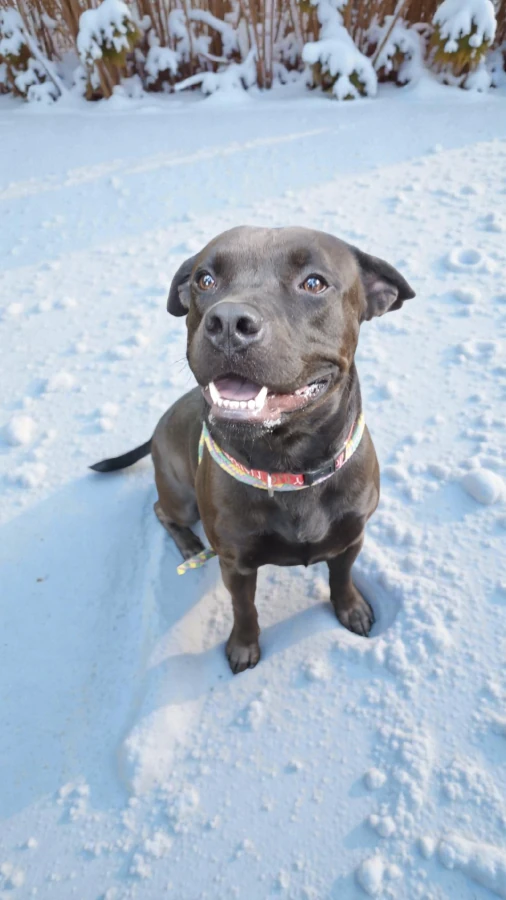
As temperatures drop, it is important for pets to stay warm and protected.
Humane World for Animals (formerly known as Humane Society US) and local animal officials share tips to help pet owners keep their furry friends safe during winter.
“There are different steps you can take to keep animals warm during cold weather, and those steps vary by species and breed,” Belmont County Hoof & Paw humane agent Julie Larish said. “Understanding your animal’s natural tolerance for cold is essential to keeping them safe and comfortable.”
Dogs
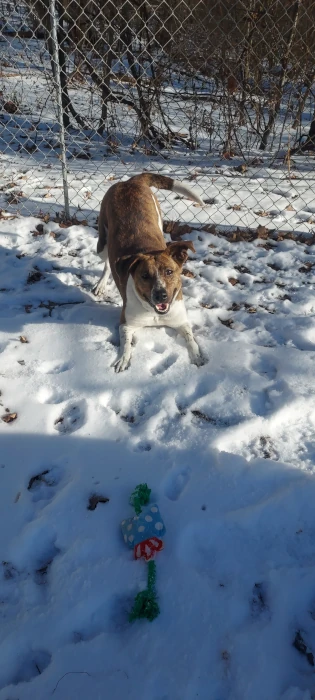
The Belmont County Animal Shelter allows short periods of time outside for dogs during cold temperatures. Photo Provided by Belmont County Animal Shelter.
The most important recommendation is that owners should try to keep their animals inside.
Dogs may go outside briefly for walks, exercise and bathroom breaks, wearing dog boots and sweaters when appropriate Keep in mind that paws are not designed for prolonged contact with frozen ground.
If a dog must be kept outdoors for extended periods, the animal must have access to a dry, draft-free shelter that is large enough to allow movement but small enough to retain body heat.
Dry straw placed inside dog houses or shelters insulates well and does not retain moisture. If temperatures drop into the teens or lower, particularly overnight, dogs should be brought inside.
Certain dog breeds, such as huskies, are built for colder temperatures and do not require the same level of protection as short-haired breeds like boxers. However, even cold-tolerant breeds still need appropriate shelter during freezing conditions.
Small dogs and dogs without long coats should not be left outside for extended periods. Outdoor exposure for these animals should not exceed 30 minutes when temperatures are below freezing or when wind is present.
Warm water can help raise a dog’s body temperature, and higher-calorie meals, warm food and regular movement can help animals maintain body weight and heat.
At the Belmont County Animal Shelter, dogs are allowed outside when temperatures are above 32 degrees, according to kennel receptionist Jessica Sinn. During colder conditions, dogs are taken outside in smaller groups for shorter periods of time.
Cats
Pet cats should not be left outdoors. However, even stray and feral cats who live outdoors need protection during cold weather. Providing insulated shelters or structures filled with straw help outdoor cats escape wind and freezing temperatures.
Shelters for outdoor cats can be made using materials, such as Styrofoam containers or coolers. Heating pads can provide warmth during extreme cold
Signs of cold stress
Signs that animals are too cold include dogs shivering and cats hunkering down. Unexplained weight loss may be a sign that an animal is struggling to cope with cold temperatures as well.
Additional Tips
Pet owners should routinely check water dishes to ensure water has not frozen. Plastic food and water bowls are recommended, as an animal’s tongue can stick to metal bowls in freezing temperatures.
Wind chill is another serious concern. Exposed skin on noses, ears and paw pads is at risk for frostbite and hypothermia during extreme cold.
Rock salt and other ice-melting chemicals can irritate pets’ paws. Owners should wipe animals’ paws with a damp towel after walks to prevent irritation and ingestion.
Antifreeze is another winter hazard. The chemical has a sweet taste that can attract animals, but it is highly toxic. Any spills should be cleaned immediately, and antifreeze should be stored out of reach.
If you encounter a pet left in the cold, politely explain the dangers to the owner. Some people genuinely don’t know the risk that cold weather poses to their pets and will be quick to correct any problems. If concerns continue, report the situation to local authorities.


Barnesville Area News Needs Your Support!
We're dedicated to providing coverage of the local happenings in Barnesville and the neighboring communities.
As a non-profit entity, we rely on the donations of readers like you.
Make a donation today and you'll be helping keep local news alive in the Barnesville area.